Introduction
Nutrition and physical activity play a major role in supporting a healthy menstrual cycle during adolescence. Because the body is still developing, teenagers need balanced nutrients, hydration, and regular movement to stabilise hormones, maintain energy, and reduce common menstrual discomforts such as cramps, acne, mood swings, and fatigue. This guide follows recommendations from the NHS, WHO, AAP (American Academy of Pediatrics), and RCOG to help teens build lifelong healthy habits.
Why Nutrition Matters for Teen Girls
During puberty, the body goes through rapid changes:
- Increased hormone production
- Height and weight changes
- Development of reproductive organs
- Start of menstrual cycles
- Higher nutrient requirements
Poor nutrition can lead to:
- Irregular periods
- Fatigue
- Low iron levels (anemia)
- Increased cramps
- Acne flare-ups
- Mood changes
A balanced diet helps the menstrual cycle regulate naturally.
Key Nutrients Every Teen Girl Needs
- Iron
Menstruation causes monthly iron loss. Teens need iron-rich foods to prevent anaemia.
Examples: spinach, beans, lentils, eggs, fish, chicken, fortified cereals.
2. Calcium
Supports bone development, especially during growth spurts.
Examples: dairy products, sesame seeds, leafy greens, tofu.
3. Vitamin D
Helps the body absorb calcium and boosts immunity.
Sources: sunlight, eggs, fortified milk.
4. Omega-3 Fatty Acids
Reduces cramps and inflammation.
Sources: salmon, walnuts, flaxseeds, chia seeds.
5. Magnesium
Help with cramps, headaches, and sleep.
Sources: nuts, seeds, whole grains, bananas.
6. Vitamin B6
Balances mood swings.
Sources: bananas, chickpeas, potatoes, chicken.
7. Complex Carbohydrates
Provide steady energy and prevent sugar crashes.
Sources: oats, brown rice, wholegrain bread, sweet potatoes.
Healthy Meal Structure for Teen Girls
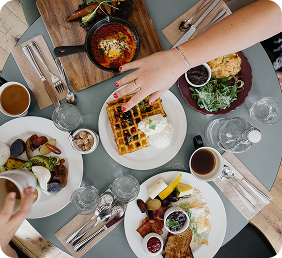
A well-balanced plate should include:
- ½ fruits and vegetables
- ¼ whole grains
- ¼ protein-rich foods
Plus healthy fats such as nuts or avocado.
Snack ideas:
- Greek yogurt with honey
- Fruit + nuts
- Hummus and carrot sticks
- Wholegrain toast with peanut butter
Hydration: The Most Underrated Hormone Tool
Teens should drink 6–8 cups of water daily.
Hydration helps:
- Reduce bloating
- Improve skin
- Regulate body temperature
- Reduce cramps
- Support concentration at school
Herbal teas like chamomile, ginger, and peppermint are safe for most teens and help with cramps or nausea.
Foods to Limit (Not Eliminate)
- Highly processed snacks
- Sugary drinks
- Excess caffeine (can increase cramps)
- Fast food
- High-salt snacks (cause bloating)
These foods are fine sometimes but shouldn’t be daily habits.
Exercise for Healthy Cycle
Regular movement benefits teen girls physically and emotionally.
Benefits:
- Reduces cramps
- Improves mood
- Reduces PMS
- Boosts confidence
- Helps regulate periods
- Improves sleep
Recommended activities:
- Walking
- Cycling
- Swimming
- Dancing
- Yoga
- Team sports
Duration: 60 minutes of moderate exercise most days of the week (WHO/AAP guidance).
Best Exercises for Period Days
- Light walking
- Stretching
- Yoga (especially child’s pose, cat-cow, hip openers)
- Low-impact workouts
Avoid:
- High-intensity workouts if cramps are severe
- Heavy lifting when feeling faint or exhausted
Sleep: The Forgotten Foundation
Teenagers need **8–10 hours of sleep** every night.
Poor sleep affects hormones and worsens:
- PMS
- Acne
- Mood swings
- Low energy
A simple sleep routine:
- Limit screens 1 hour before bed
- Keep room cool and dark
- Avoid caffeine in evenings
Cycle Tracking & Nutrition Patterns (FlowMate Integration)
FlowMate helps teens track:
- Period dates
- Energy levels
- Cramps
- Mood patterns
- Food cravings
- Physical activity
- Sleep quality
Tracking these helps identify:
- Signs of vitamin deficiencies
- PMS triggers
- Patterns linked to stress or diet
- Days with high or low energy
When to See a doctor
Seek medical advice if:
- Periods become irregular or disappear
- Extreme cramps affect school
- Sudden weight changes occur
- Persistent fatigue (possible iron deficiency)
- Exercise causes dizziness or fainting
Conclusion
Healthy nutrition and exercise are essential for a strong menstrual cycle and overall wellbeing. Teens don’t need perfect diets, just consistent habits. Eating colourful foods, staying active, and listening to the body help regulate hormones naturally. With supportive tools like Flow Mate, teenage girls can develop a healthier relationship with their body during these important growing years.
- References
- NHS UK — Teen Nutrition and Menstrual Health: https://www.nhs.uk
- WHO — Physical Activity Guidelines for Adolescents
- AAP — Adolescent Nutrition and Fitness
- RCOG — Menstrual Cycle Health in Young Girls