Introduction
Motherhood is a deeply emotional journey shaped not only by physical recovery and daily caregiving but also by the level of community support available. Strong social connections help mothers cope with challenges, reduce loneliness, and build confidence in parenting. This expanded Article 8 explores the role of community, social wellbeing, cultural support, and long‑term emotional resilience.
1. Importance of Community Support
A strong support system improves maternal mental health and reduces postpartum stress.
Key benefits include:
• emotional reassurance
• shared parenting tips
• practical help during difficult days
• reduced feelings of isolation
Mothers with active social support show better emotional stability and long‑term wellbeing.
2. Building a Support Network
Mothers may build a network through:
• family members
• close friends
• neighbours
• religious or cultural communities
• antenatal or postnatal groups
Supportive relationships create a sense of belonging and reduce emotional overload.
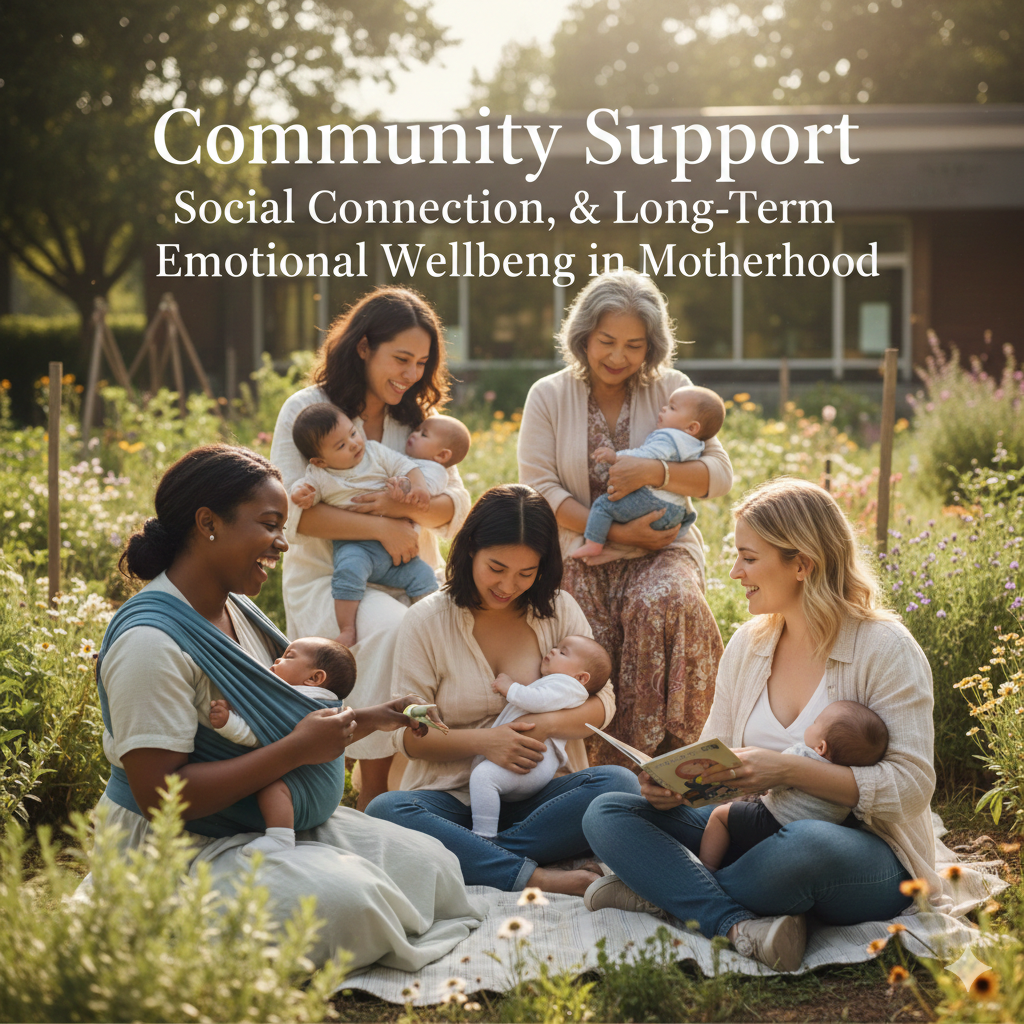
3. Mother–Baby Groups & Social Spaces
Joining group activities builds confidence and encourages positive social interactions. Benefits include:
• shared learning
• bonding activities
• safe space to discuss challenges
• exposure to other babies (improving social development)
These groups often help mothers feel understood and less alone.
4. Cultural & Religious Support Systems
Cultural traditions and religious communities often provide:
• emotional grounding
• postpartum rituals (rest, support, nutritious foods)
• mentorship from experienced mothers
• spiritual comfort
Connecting with such communities strengthens emotional resilience.
5. Mental Health & Emotional Wellbeing
Long-term emotional wellbeing requires nurturing both mind and body.
Strategies include:
• practicing mindfulness or breathing exercises
• seeking counselling if needed
• keeping a self-care routine
• engaging in enjoyable hobbies
• maintaining realistic expectations
Emotional wellbeing improves when mothers balance caregiving with personal growth.
6. Reducing Social Isolation
Isolation is common, especially for new or immigrant mothers.
Ways to reduce isolation:
• schedule weekly outdoor activities
• join online support forums
• connect with neighbours or local mums
• use community centres or libraries
Feeling connected protects mental health.
7. Relationship with Partner & Family
Healthy communication and shared responsibilities strengthen family unity.
Strategies include:
• expressing feelings honestly
• dividing tasks fairly
• making time for partner bonding
• respecting each other’s emotional needs
Family connection is key to long-term emotional balance.
8. Building Long‑Term Emotional Strength
Motherhood is not a short-term phase; emotional health must be nurtured continuously.
Mothers can build resilience by:
• acknowledging challenges
• accepting help
• celebrating small wins
• staying connected to supportive people
Long‑term emotional strength comes from self-awareness and stable support systems.
Conclusion
Community and emotional connection are essential to thrive motherhood. With meaningful support, cultural anchoring, and personal care, mothers feel more confident, secure, and empowered throughout their journey.
References
• World Health Organization (WHO) Maternal Mental Health Framework
• NHS Maternal Support & Perinatal Mental Health
• Postpartum Support International (PSI) Community Wellbeing Research