The postpartum period, also known as the fourth trimester, begins immediately after childbirth and lasts until around 12 weeks. This phase brings profound physical, emotional, and hormonal changes as the mother heals, adapts to caring for a newborn, and re-establishes her daily routine. Understanding what to expect helps mothers feel supported, confident, and prepared during this transformative period.
1. Hormonal Shifts After Birth
After delivery, estrogen and progesterone levels drop rapidly. This can lead to:
– Mood fluctuations
– Night sweats
– Fatigue
– Increased emotional sensitivity
Meanwhile, prolactin rises to support milk production, and oxytocin helps with bonding and breastfeeding.
2. Physical Recovery
The body begins healing right after birth:
– Vaginal bleeding (lochia) lasts 2–6 weeks.
– Uterus gradually returns to its normal size.
– Perineal soreness or stitches heal in 1–3 weeks.
– C‑section recovery typically takes 6–8 weeks.
Mothers may also experience cramping, breast fullness, or back discomfort.
3. Breastfeeding and Milk Production
During the first days:
– Colostrum (nutrient-rich early milk) is produced.
– Milk transitions to mature milk by day 3–5.
Common challenges:
– Engorgement
– Sore nipples
– Latching issues
Support from midwives and lactation specialists can help.
4. Emotional Well‑Being
Up to 80% of new mothers experience “baby blues” within the first week due to hormonal shifts, lack of sleep, and emotional adjustment.
Symptoms include:
– Tearfulness
– Irritability
– Anxiety
These usually settle within 1–2 weeks. If symptoms persist or worsen, it may indicate postpartum depression and requires medical support.
5. Sleep and Fatigue
Newborns feed frequently, often waking every 2–3 hours. Sleep deprivation can affect mood, cognitive function, and physical health. Resting when possible and sharing responsibilities helps manage fatigue.
6. Healing the Pelvic Floor
Pregnancy and birthplace pressure on the pelvic muscles. Pelvic floor exercises support recovery, reduce incontinence, and improve long‑term strength.
7. Nutrition and Hydration
Postpartum nutrition supports healing and energy levels:
– Iron‑rich foods for blood recovery
– Protein for tissue repair
– Healthy fats for hormone balance
– Hydration, especially for breastfeeding mothers
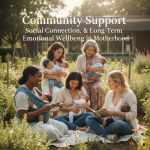
8. Social and Emotional Support
Support from family, community, and healthcare professionals significantly impacts recovery. Talking openly about challenges helps reduce stress and promotes well‑being.
When to Seek Medical Advice
Seek immediate care for:
– Heavy bleeding (soaking pads in under an hour)
– High fever
– Severe abdominal pain
– Foul‑smelling discharge
– Signs of infection at stitches or incision
– Persistent sadness or thoughts of self-harm
Doctor Recommendations:
– NHS: Attend postnatal checks and monitor bleeding, mood, and healing.
– WHO: Emotional and physical support in the first 6 weeks improves maternal outcomes.
– ACOG: Postpartum women should be screened for depression and blood pressure changes.
References:
– NHS Postnatal Care Guidelines
– World Health Organization (WHO) Postpartum Care Recommendations
– American College of Obstetricians and Gynecologists (ACOG)
– Royal College of Obstetricians and Gynaecologists (RCOG)