Introduction
The motherhood phase introduces significant changes in a woman’s physical, emotional, social, and lifestyle patterns. Article 2 focuses on holistic wellbeing—covering nutrition, emotional resilience, bonding, sleep science, medical safety, and daily-functioning strategies vital for mothers from the early postpartum weeks through long-term caregiving.
1. Emotional Regulation & Postpartum Mood
Motherhood can amplify emotions due to hormonal shifts and the new responsibility of caring for an infant. Mothers may experience rapid mood swings, anxiety, or irritability. Building emotional regulation involves:
• practising mindfulness and deep breathing
• maintaining regular conversations with loved ones
• seeking early help if symptoms persist
• engaging in gentle physical activity
Emotional support is one of the strongest predictors of long-term maternal wellbeing.
2. Bonding & Attachment With Baby
Secure attachment forms the foundation of a child’s emotional development. Bonding strengthens through:
• eye contact and gentle touch
• skin-to-skin contact
• responsive feeding (breast or bottle)
• recognising and responding to cues
Consistent caregiving helps babies develop trust, while mothers gain confidence in understanding their infant’s needs.
3. Postpartum Nutrition for Strength & Recovery
Nutrition plays a major role in healing and sustaining energy. Essential nutrients include:
• Iron – supports blood health and prevents fatigue
• Calcium – strengthens bones and supports lactation
• Omega-3 (DHA) – improves brain and mood health
• Hydration – crucial for milk production and metabolism
Balanced meals rich in whole grains, fruits, vegetables, and lean protein help restore strength.
4. Sleep Cycles & Managing Exhaustion
Irregular infant sleep patterns can significantly affect maternal health. Mothers may face sleep deprivation, affecting memory, irritability, and physical strength. Supportive sleep strategies include:
• resting whenever the baby naps
• sharing night duties when possible
• practicing safe-sleep techniques
• avoiding overstimulation before bedtime
Understanding that disrupted sleep is temporary helps reduce emotional stress.
5. Pain Management & Physical Discomfort
Postpartum discomfort varies depending on delivery type. Common concerns include:
• lower back pain
• abdominal soreness
• perineal stitches discomfort
• C‑section incision pain
Safe pain relief can be guided by healthcare professionals. Physiotherapy, heat therapy, and gentle mobility exercises support long-term recovery.
6. Daily Functioning & Household Balance
The shift into motherhood requires realistic adjustments. Effective management includes:
• simplifying routines
• delegating tasks to family members
• preparing meals in batches
• accepting help without guilt
A structured daily rhythm promotes mental clarity and reduces caregiver burnout.
7. Social Isolation & Community Support
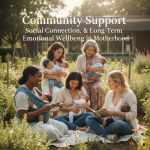
New mothers often face isolation, especially without extended family support. Joining community groups, online support networks, or mother–baby classes strengthens social wellbeing. Peer connection reduces stress and increases confidence.
8. Warning Signs That Need Medical Help
Urgent postpartum symptoms include:
• heavy bleeding
• fever
• severe abdominal pain
• vision changes
• chest pain
• extreme sadness or withdrawal
Prompt medical attention ensures timely treatment and protects long-term health.
Conclusion
Holistic postpartum care ensures that mothers feel emotionally supported, physically strong, and socially connected. Understanding daily challenges, seeking help early, and maintaining a nurturing environment allows mothers to thrive confidently in their journey.
References
• National Institute for Health and Care Excellence (NICE). Postnatal Mental Health Guidelines.
• NHS Postnatal Support & Emotional Wellbeing.
• American College of Obstetricians and Gynecologists (ACOG). Fourth Trimester Care Resources.